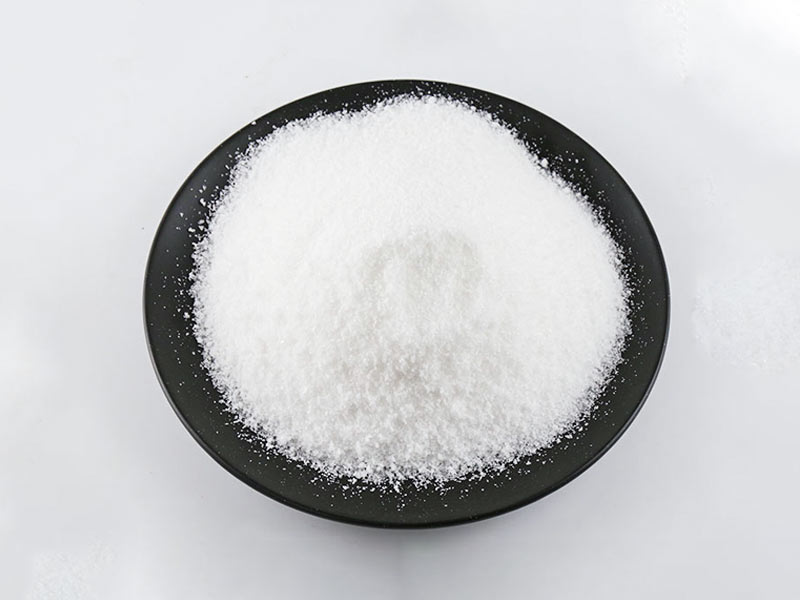
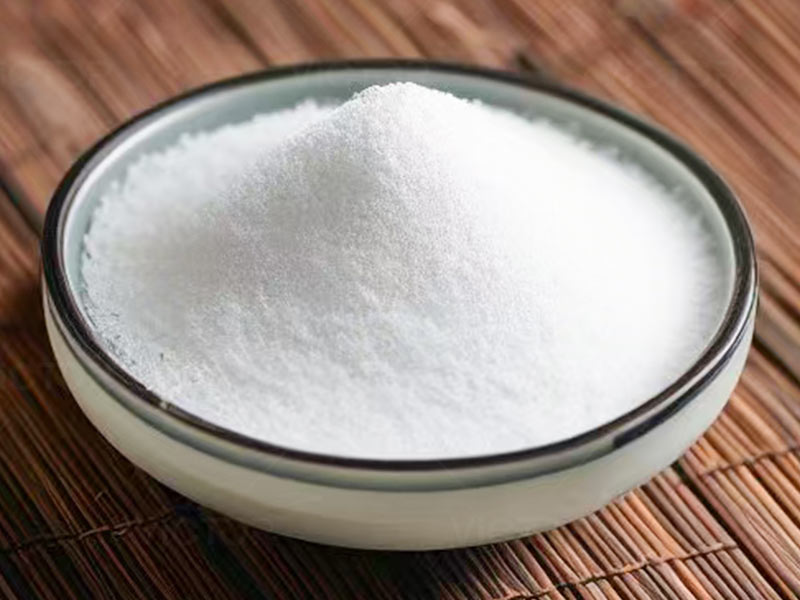
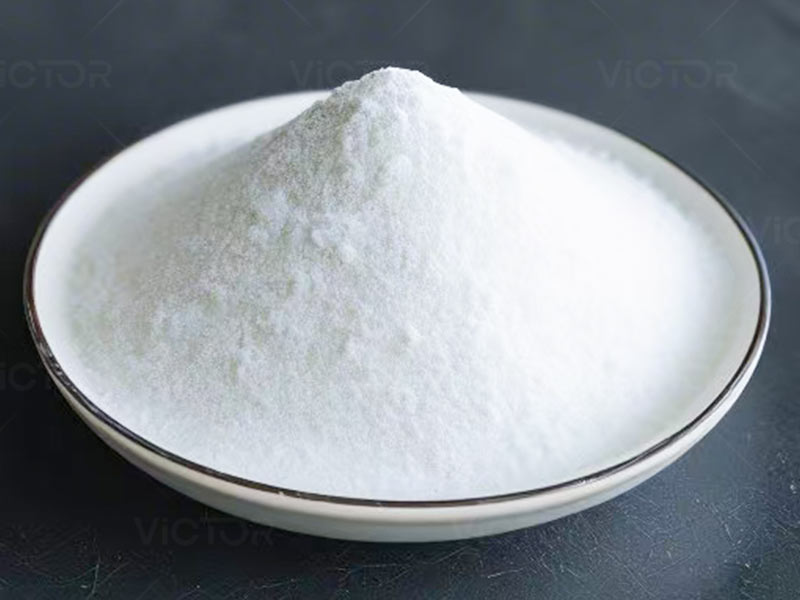
There are numerous specifications and models of
polyaluminium chloride products. Different products yield markedly varying results during water treatment. We require a thorough understanding to avoid confusion during application. So how should we address the issue of insoluble matter when using white polyaluminium chloride products?
As a premium water purification chemical on the market, white polyaluminium chloride is subject to explicit national regulations regarding insoluble matter. However, white polyaluminium chloride products manufactured domestically typically utilise mineral raw materials. These mineral sources generally possess relatively complex compositions and require crushing to produce powder. Moreover, finer powders exhibit higher aluminium oxide solubility, yet correspondingly, insoluble matter becomes more challenging to precipitate. Thus, addressing insoluble matter has become a key challenge in using polyaluminium chloride products.
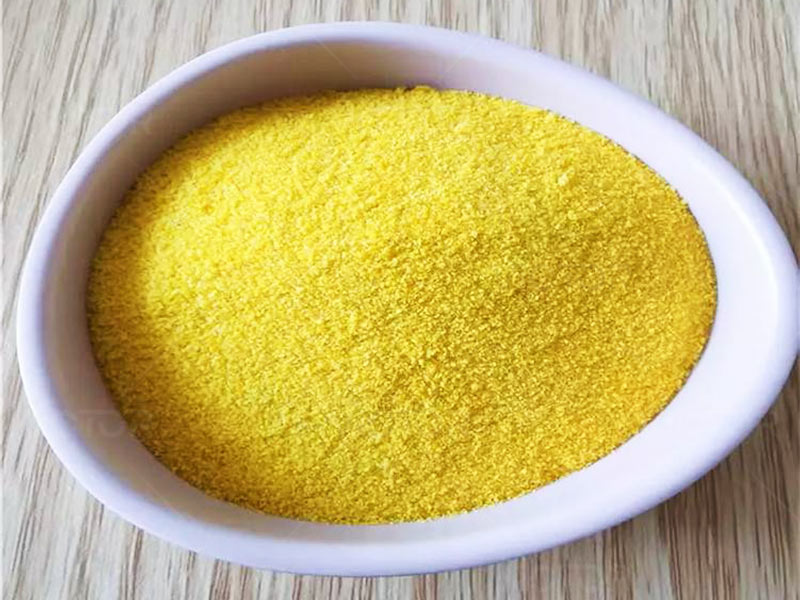
Why do insoluble substances occur? Primarily, it relates to the purity of the polyaluminium chloride product. For white polyaluminium chloride, aluminium oxide content is a crucial indicator. It is commonly assumed that higher aluminium oxide content equates to better quality. However, in reality, most polyaluminium chloride manufacturers in China utilise bauxite and calcium aluminate as raw materials. These enterprises are typically small-scale with limited technical expertise, resulting in products with relatively low alumina content. Furthermore, the presence of numerous impurities renders them fundamentally unsuitable for meeting industry requirements for high-quality white polyaluminium chloride. Another issue lies in dosage application. When using white polyaluminium chloride, many practitioners employ either acid or alkali dissolution methods during experimentation. However, acid dissolution remains comparatively more prevalent. This method further involves considerations of concentration and dosage. A higher alumina dissolution rate leads to faster volatilisation, necessitating proper concentration adjustment. Insufficient dosage results in low alumina dissolution, while excessive dosage reduces the product's basicity and increases its corrosiveness. Therefore, it is advisable to conduct trials to determine the optimal dosage before use.
The above outlines key considerations when insoluble matter arises during the use of polyaluminium chloride products. Particular attention to these points is essential to achieve optimal performance.